The Overlooked Component in Your Next Flight Data Recorder Installation
The Overlooked Component in Your Next Flight Data Recorder Installation
When a new aircraft program comes together, thousands of decisions get made — and most of them get made well. Avionics suites are modernized. Displays go glass. Connectivity gets reimagined. But somewhere in the recorder subsystem, on a line item that hasn't been seriously revisited in years, a decades-old accelerometer quietly makes its way onto the BOM.
It's not that anyone chose it. It's that no one questioned it.
For product development teams and obsolescence managers, that's the more interesting story — and the one worth telling.
Why Legacy Accelerometers Keep Getting Specified
Fluid-filled, strain-gauge accelerometers became the aviation standard for a reason. When they were developed, they were the best available technology. They worked, they certified, and they stayed on drawings long enough to become institutional defaults.
The problem isn't that they were a bad choice. The problem is that they keep getting chosen — on new aircraft, in new programs, in 2026.
The reasons are understandable:
- Recertifying an accelerometer is nobody's favorite project. Sensor changes invite scrutiny, and program timelines rarely reward optional engineering work.
- The component is buried. It lives inside the FDR subsystem BOM, not on the executive dashboard.
- There hasn't been an obvious alternative — at least, not one that's PMA-approved and drop-in compatible.
So the legacy unit stays. And the downstream cost compounds.
The Obsolescence Problem Hiding in Plain Sight
If you manage obsolescence for an aircraft program, the symptoms will sound familiar:
- New units from established suppliers like Ametek now exceed $14,000 each.
- Used L3 units trade around $8,900 — with no guarantee of remaining service life.
- Lead times have stretched to nine months or more, creating real schedule risk on production lines and AOG situations alike.
- Strain-gauge sensing is sensitive to environmental factors that modern aircraft environments increasingly stress.
For a sensor that captures three axes of motion — fundamental data, but not exotic data — that's a significant tail of cost and risk attached to a single line item. And it's a tail that gets longer every year as the legacy supply base contracts.
The uncomfortable question for any new-build program: why are we integrating a sensor architecture from the 1980s into an aircraft that will be flying in the 2050s?
What MEMS Actually Changes
Micro-Electro-Mechanical Systems (MEMS) accelerometers don't rely on fluid displacement or strain gauges. They use microscopic mechanical structures etched into silicon to detect inertial forces. The architecture is solid-state, environmentally robust, and — critically for aviation — produced at scale across multiple industries, which insulates the supply base from the obsolescence pressure squeezing legacy aerospace sensors.
For an FDR application, the requirements are straightforward: three axes, DC voltage output, compatibility with existing FDR and DFDAU architectures, and a PMA that lets you install it without reopening certification.
That's the gap the TXA201 was designed to close.
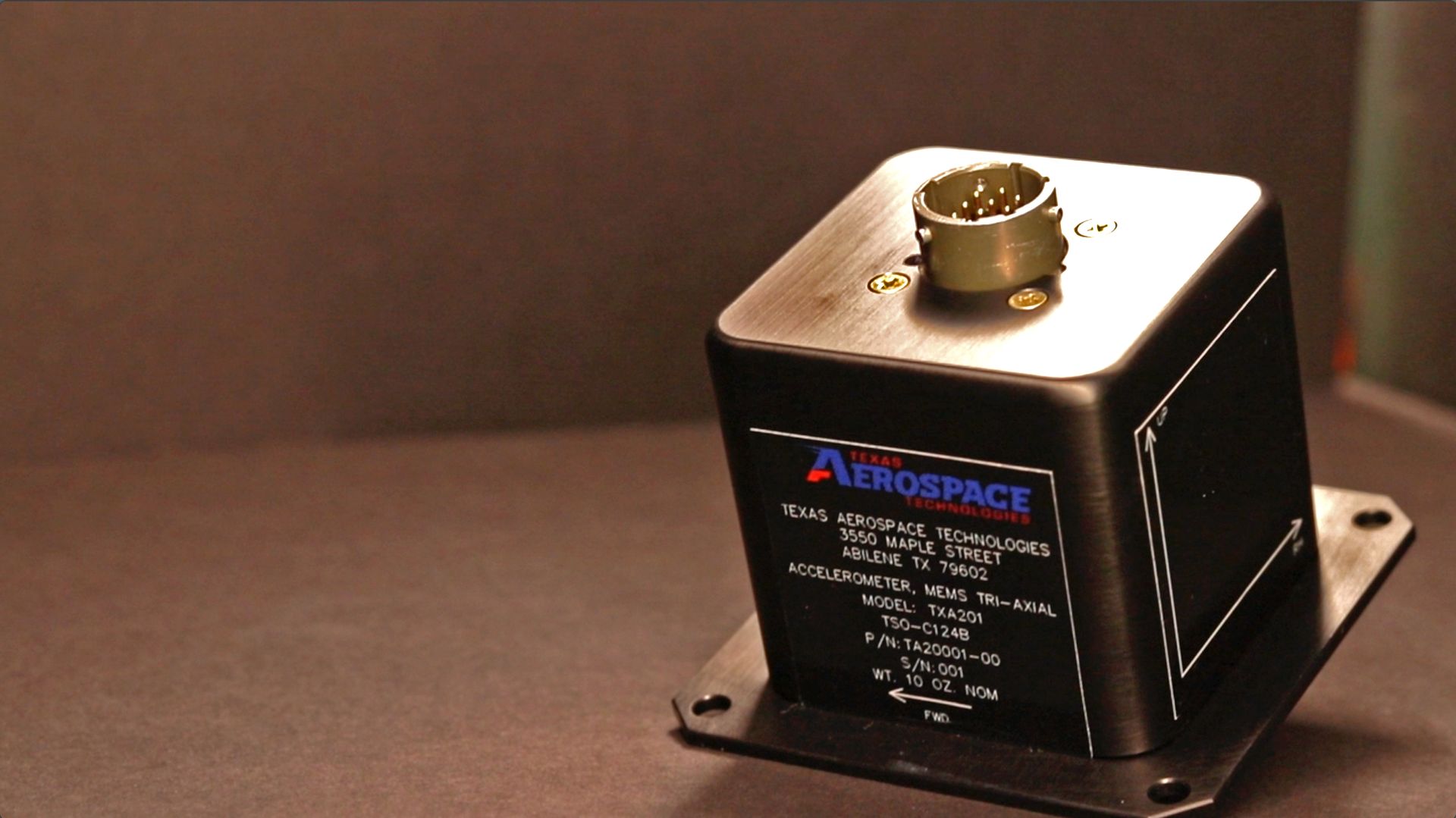
The TXA201, A Smarter Long Term Strategy
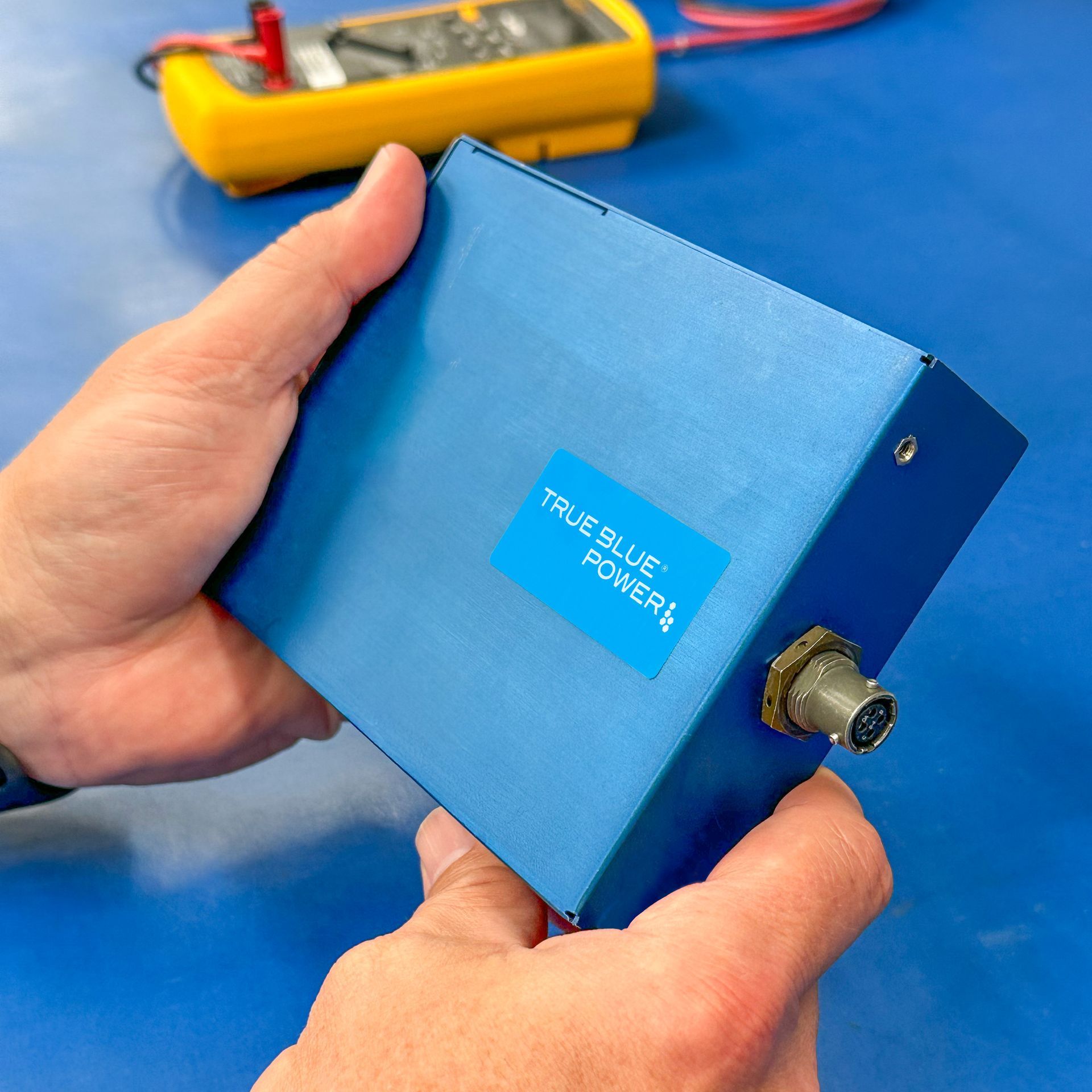
The TXA201 is a MEMS-based three-axis accelerometer measuring vertical, longitudinal, and lateral acceleration, with DC voltage output compatible with existing FDR and DFDAU inputs. It carries PMA approval on the following Textron Citation platforms:
- Textron 400 / 400A
- Citation 550 / 560
- Citation 560XL
- Citation 650
- Citation 750
It's designed with form, fit, and function compatibility in mind, which means installation does not require structural modification, wiring changes, or a new STC on approved aircraft. For a Product Development or obsolescence team, that's the part that matters most: the certification path is already done. Additional aircraft approvals are in progress.
The CVR Compliance Connection
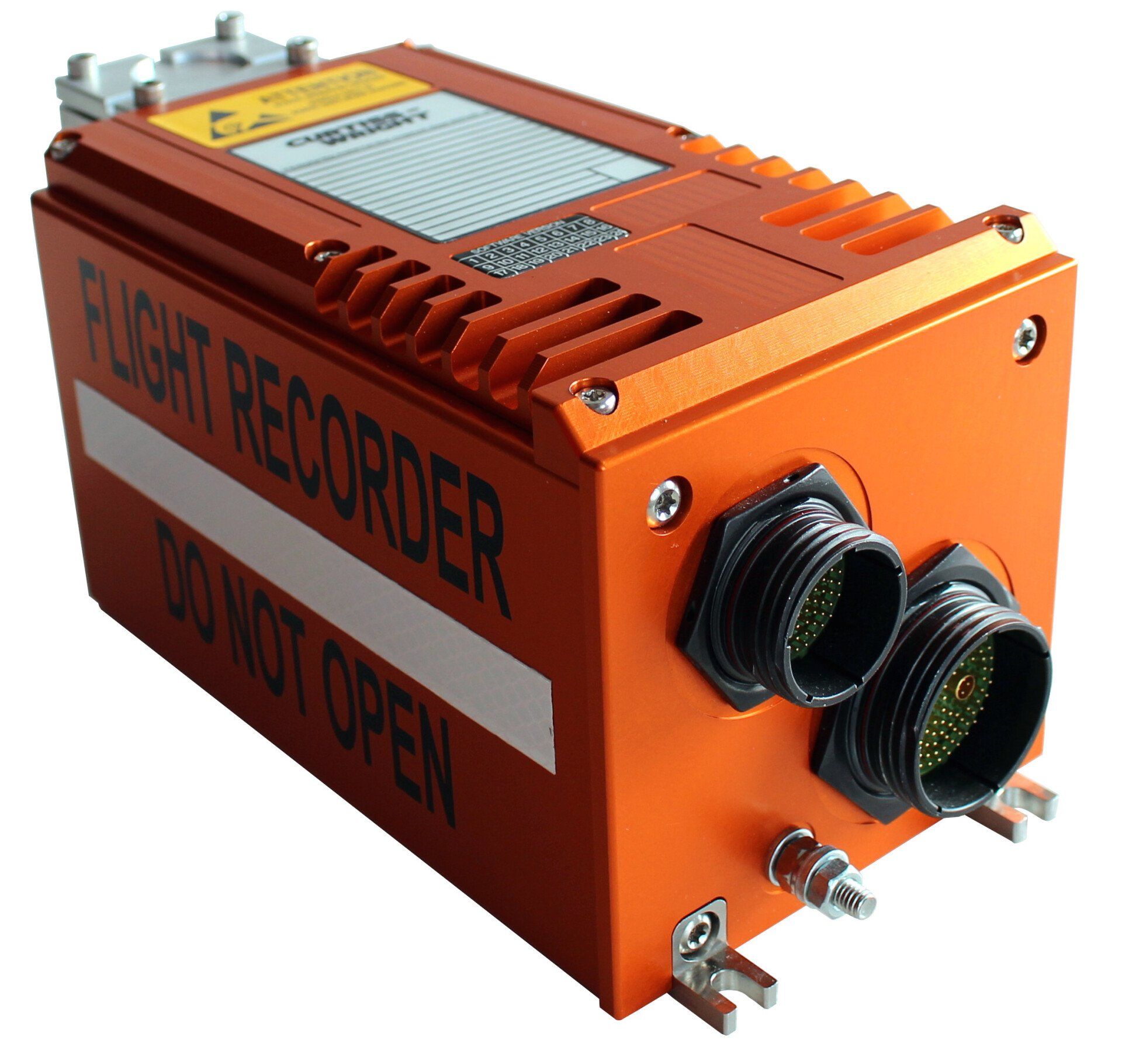
Many operators are currently revisiting their recorder systems to align with ICAO Annex 6 cockpit voice recorder requirements and the FDR 30hr mandate — a process that varies by regulatory body but is generating real upgrade activity across the Part 25 fleet. Texas Aerospace Technologies offers an affordable, AML STC'd CVR solution to meet that mandate.
When an aircraft is already opened up for a recorder upgrade, the accelerometer decision becomes a natural conversation. Pairing a modern, ED-112A compliant recorder with a 30-year-old sensor architecture is technically unnecessary and commercially avoidable. The marginal effort to address both at once is small. The long-term obsolescence relief is significant.
The Decision Worth Revisiting
For Product Development engineers and obsolescence managers, the accelerometer is one of those decisions that doesn't demand attention — which is exactly why it deserves some. Specifying a MEMS-based, PMA-approved drop-in on a new program or a fleet upgrade does a few things at once:
- Removes a constrained, multi-month-lead-time component from the supply chain.
- Reduces unit cost meaningfully.
- Aligns the sensor generation with the rest of a modern avionics suite.
- Pushes the next obsolescence conversation years further down the road.
None of that requires a new STC. None of it requires reopening certification. It requires looking at a line item that's been sitting on the BOM long enough that no one remembers questioning it — and questioning it.
The TXA201 is engineered and supported by Texas Aerospace Technologies, drawing on 90+ years of combined avionics experience. If you'd like to discuss the technical specifications or PMA scope with our engineering team, reach out at brad@txaero.com — we're happy to talk shop before anyone talks procurement.