You Know the Problem. We Help You Get It Across the Finish Line.
The Problem Is Usually Clear. The Path Forward Isn't.
Most avionics programs don't stall because the people running them don't understand the problem. They stall because the people running them don't have the resources to solve it.
A part gets obsoleted. A called-out component in an existing STC is no longer available, and the certification path closes with it. An operator has a real airworthiness need but no internal engineering bandwidth to develop the approval. An OEM wants to move a program forward but doesn't have the FAA relationships, the DER access, or the flight test infrastructure to close the gap on their own timeline.
These aren't unusual situations. They're some of the most common program dynamics in business aviation — and they affect organizations of every size, from single-aircraft operators to multi-platform fleet managers to OEM product teams working against a delivery schedule.
What a Real Partnership Looks Like
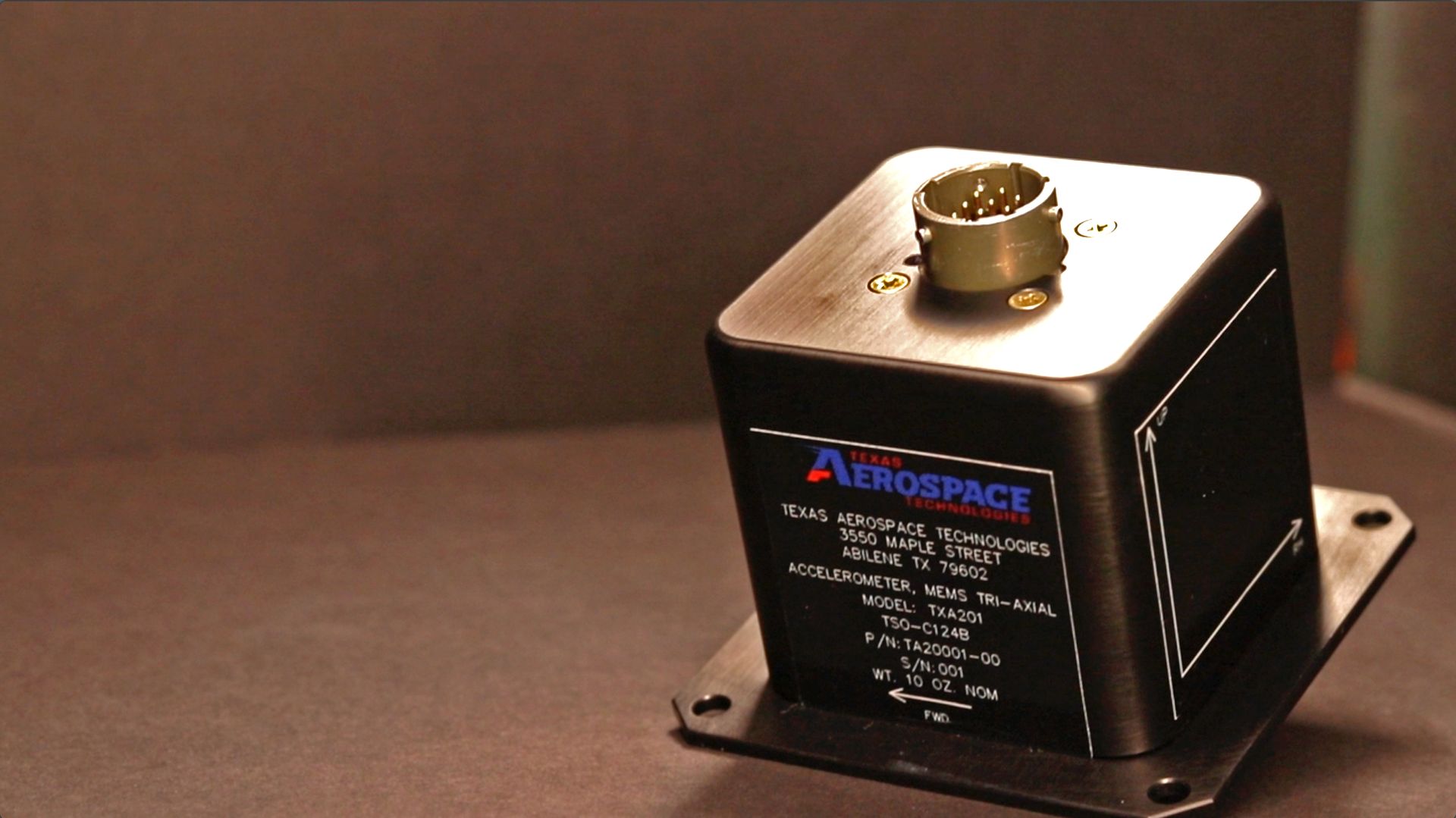
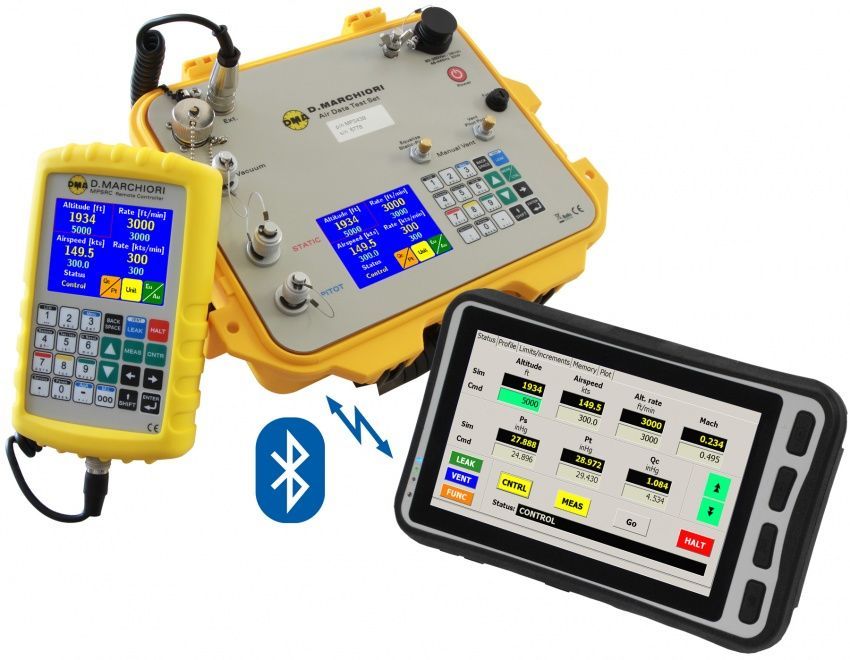
Texas Aerospace Technologies was built to engage these problems directly. Not as a parts supplier who passes you down the line, and not as a large integrator who needs a minimum program size to justify the conversation. We sit at a specific and useful intersection: we manufacture PMA-certified avionics components, we hold and deploy STCs across multiple aircraft platforms, we are the exclusive authorized sales and service center for DMA precision test equipment across North and South America, and we have the engineering partnerships to take on new certification programs when the right opportunity exists.
That combination means that when a program comes to us with a problem, we can usually engage it from multiple angles — not just source a part, but ask whether a certified replacement exists, whether an STC pathway is viable, whether our engineering network can close a gap that's been sitting open, and whether the investment in a new approval makes commercial sense for the platform.
The Kinds of Problems We Engage
To make this concrete, here are the types of program situations where Texas Aerospace Technologies's STC and engineering partnership capability is most relevant:
Obsolescence walls — a component called out in an existing STC is no longer manufactured or available. The STC becomes unusable without a disposition. Texas Aerospace Technologies can evaluate whether a PMA replacement, an engineering order, or a new STC amendment is the right path.- Bandwidth gaps — an operator or OEM knows what approval is needed but doesn't have the internal engineering team or FAA DER relationships to pursue it. Texas Aerospace Technologies can bring those resources to the program without the operator having to build them from scratch.
- New platform certification — a product that has approval on a limited set of aircraft needs to expand its AML. Texas Aerospace Technologies has experience managing STC amendment and AML expansion programs and can support the flight test, documentation, and FAA coordination required.
- Aftermarket program development — an MRO or OEM wants to develop a certified aftermarket solution for a platform but needs a partner willing to invest in the program alongside them. Texas Aerospace Technologies evaluates these opportunities and, for the right programs, will commit engineering and financial resources.
The common thread across all of these is that the solution requires more than a catalog search. It requires someone who understands the certification landscape, knows how to move a program through the FAA process, and has the willingness to treat a customer's problem as their own.
Small Programs Get the Same Attention
One of the consistent realities of working in business aviation is that many of the most pressing certification problems belong to programs that aren't large enough to get attention from the major integrators. A single-platform STC amendment. A PMA replacement for a component that only a few hundred aircraft need. An engineering disposition for an obsolete unit that affects a small but loyal operator base.
Texas Aerospace Technologies works these programs. We don't require a minimum fleet size or a guaranteed production run to have the conversation. If the problem is real, the platform is legitimate, and the path to a solution is traceable, we'll engage it — and we'll bring 90+ years of combined avionics experience to the table when we do.
If your organization is sitting on a program that needs engineering resources, a certification partner, or a path through obsolescence, we'd welcome the conversation. Contact our team at
info@txaero.com